
Built To Last
Decks & Outdoor Living
New deck builds, structural rebuilds of failed decks, footing layout, ledger flashing done right, joist hanger nailing, and material selection from PT to cedar to composite.
Licensed
WA General Contractor
ALOHACC772JF
Owner on site
Every project
No subbed framing
References
On request
Prior project list
Based in
Everett, WA
Greater Seattle Area
The problem
Most deck failures are not the deck boards. They are the ledger that was face nailed into stucco without flashing, the joist hangers fastened with drywall screws instead of structural fasteners, the footings poured too shallow, the post pockets that wicked moisture into the post end grain. By the time the homeowner notices the bounce in the joists or the rot at the band board, the substructure is past repair. The fix is rarely cosmetic. The fix is structural.
Aloha builds new decks, rebuilds failed substructures over the original footprint where the footings are still sound, and repairs deck rot through targeted sister joist and rim board work. Material selection covers pressure treated, cedar, and composite (Trex, Azek, TimberTech) based on the homeowner's budget and the exposure. Railing systems sized to IRC, including integrated fence and privacy wall work, and stair runs framed and treaded on site.
What’s included
Every line of the scope, on the table.
- New deck design and build to homeowner spec or to architect drawings
- Footing layout and post placement (concrete sonotubes, helical piles where soil calls for it)
- Ledger board attachment with proper flashing (Z flashing, peel and stick membrane)
- Joist install with Simpson hangers and structural screws (GRK RSS, Simpson SDWS)
- Pressure treated, cedar, ipe, and composite (Trex, Azek, TimberTech) deck board install
- Hidden fastener systems for composite (Cortex, Camo Drive)
- Railing systems (cable, picket, composite, glass panel) sized to IRC
- Integrated fence and privacy wall work tied into the deck structure
- Stair runs (stringers cut on site, treads and risers per IRC)
- Deck repair on failed sections (sister joist work, rim board replacement, post replacement)
- Rot remediation at ledger, band, and post pocket
- Full structural rebuild over original footprint where footings still pass inspection
- Permit and inspection coordination with the AHJ
“We don’t sub out the carpentry. We build it ourselves. That’s the difference.”
Documented work
Recent decks & outdoor.
 Decks & outdoor
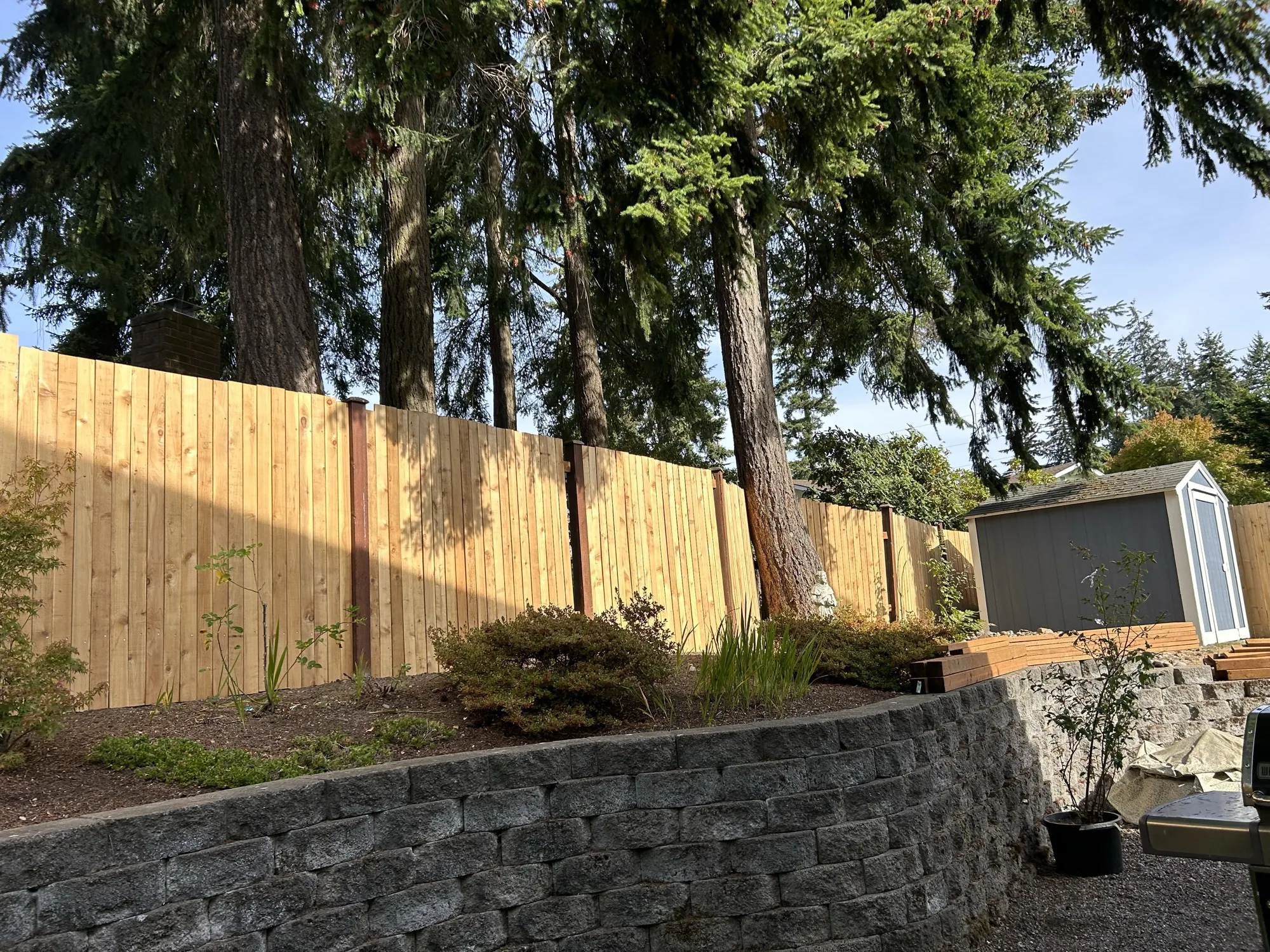
Privacy fence + retaining wall coordinated as a single carpentry scope.
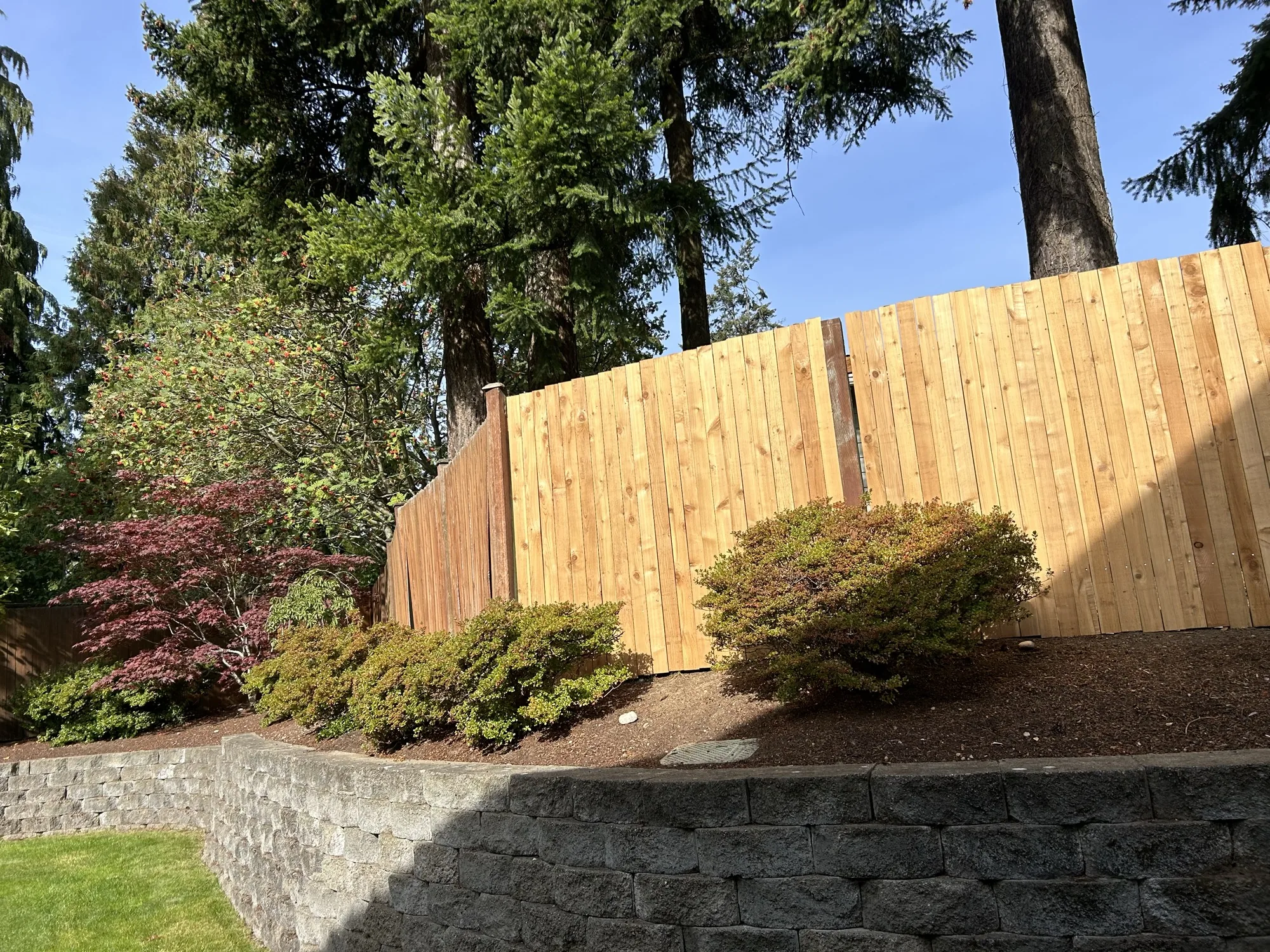
Completed deck with stair run to grade and full perimeter privacy fence.
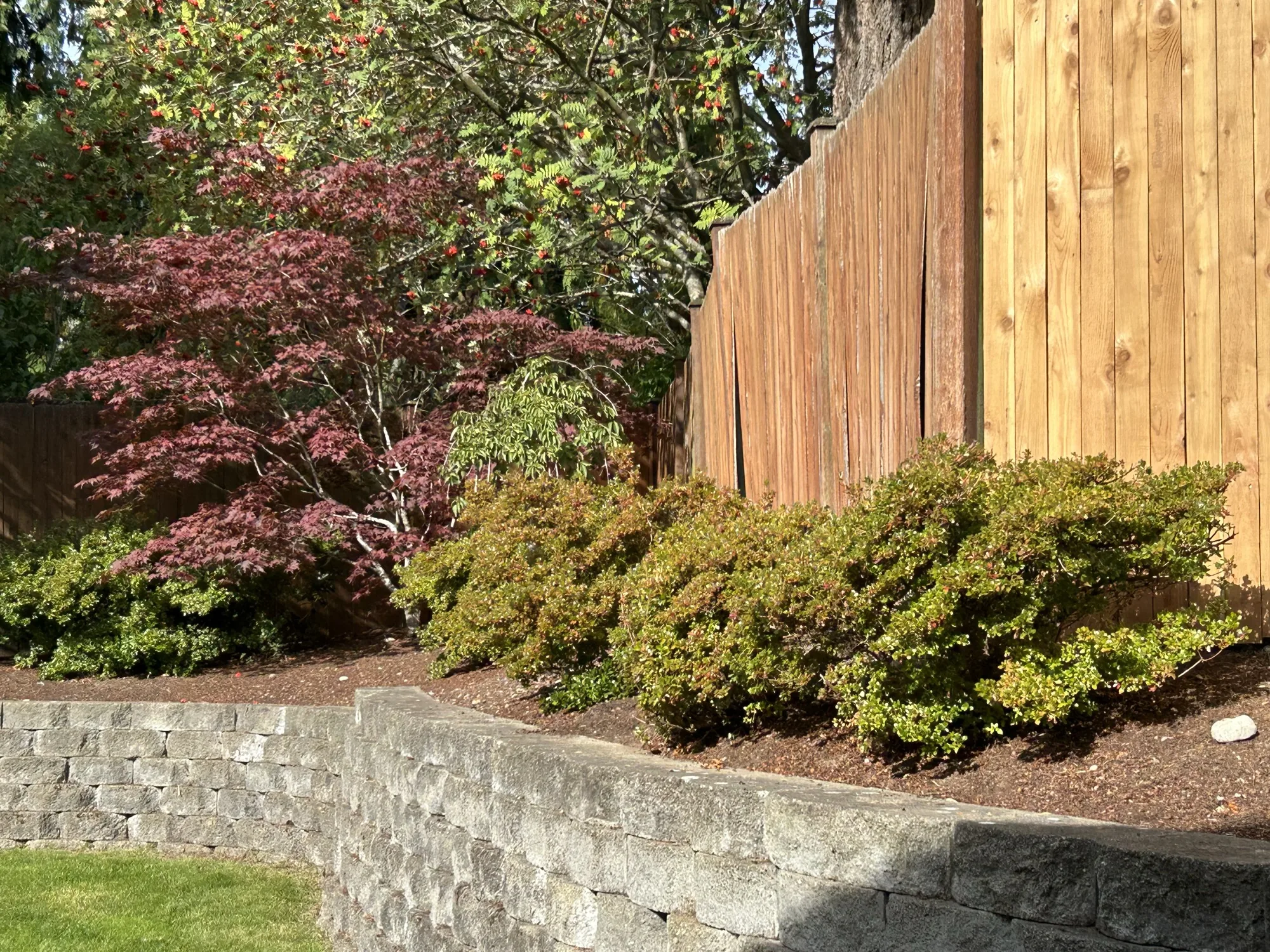
Rail to fence transition. Posts carrying both deck rail load and privacy panel.
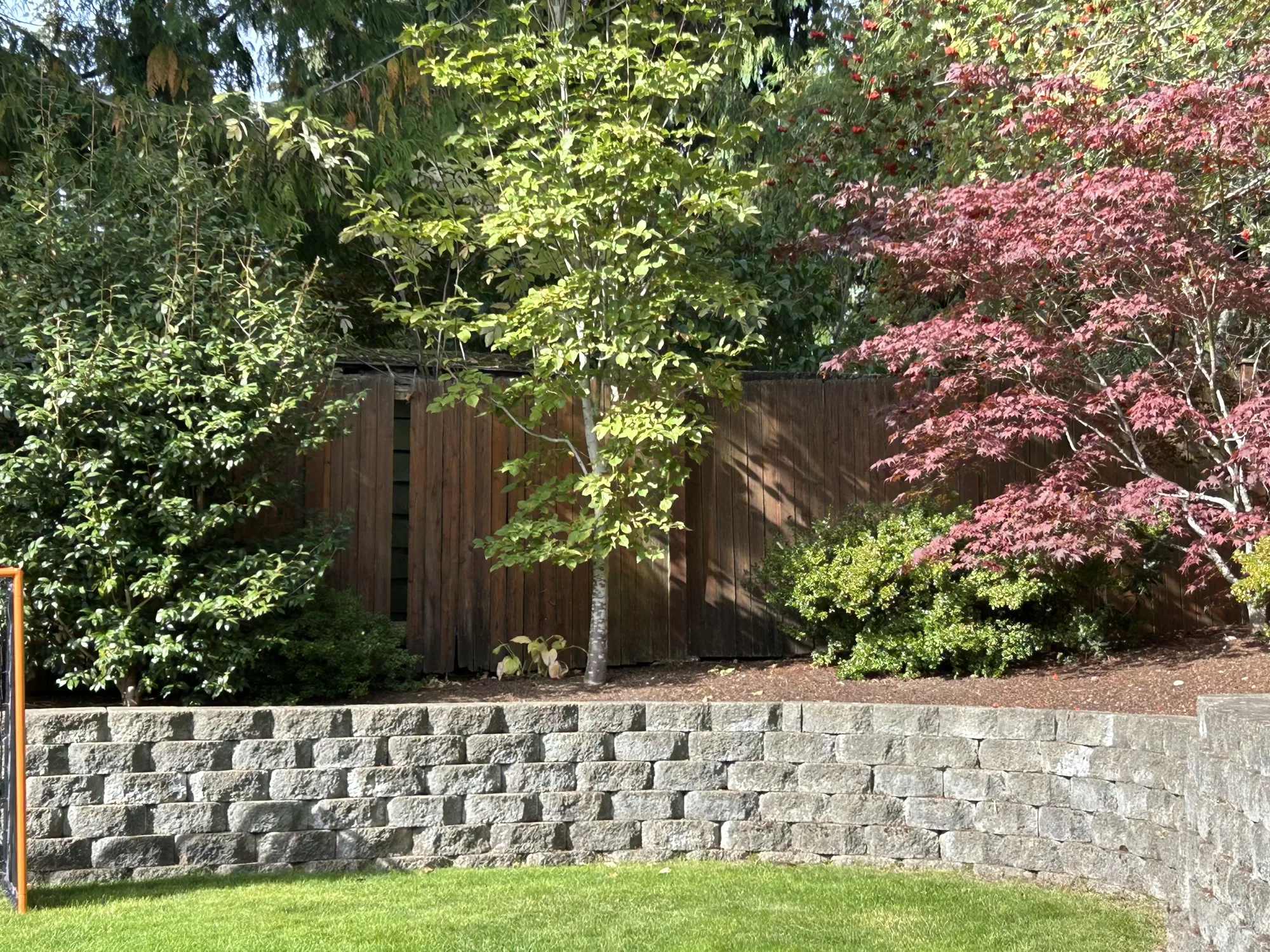
Corner detail. Deck board return, fascia, and privacy panel meeting cleanly.
Why Aloha
What you’re actually paying for.
- 01
Ledger flashed properly the first time
Z flashing and peel and stick membrane behind the ledger board on every deck we build. No face nailing into stucco. No reliance on caulk as the only water barrier. The number one cause of deck failure in this climate is a ledger that was never flashed.
- 02
Structural fasteners, not drywall screws
Simpson SDWS or GRK RSS structural screws into joist hangers. Properly sized through bolts or LedgerLOK at the ledger. We do not fasten structural connections with deck board screws or wood screws.
- 03
Material match to exposure and budget
Composite where the deck takes full sun and the homeowner does not want to refinish every two years. Cedar where the homeowner wants the look and is willing to maintain it. Pressure treated where the budget calls for it and the substructure is what counts. We price all three when the scope allows.
- 04
Built over the original footprint when it makes sense
If the existing footings still pass inspection and the original layout fits the homeowner, we rebuild the substructure over what is there instead of starting from scratch. Saves the footing pour. Saves the permit re site plan. Saves the homeowner money where the original work was right.
Implementation
What the day looks like.
Most new deck builds run two to four weeks on site, depending on size, railing complexity, and stair runs. Footing pours add cure time at the front. Composite deck boards order with longer lead times than PT or cedar so material is staged before demo on rebuilds. We do not start a rebuild before all the framing material is on site, because a deck left open through a Snohomish County winter storm is a deck with a wet rim joist.
If the deck scope uncovers rot in the band board of the house itself (where the ledger attaches), we stop, document, and quote the band repair separately before continuing. The deck does not get rebuilt onto compromised house framing.
Why this scope, with us
The ledger is the deck. We flash it right the first time.
Z flashing and peel and stick membrane behind every ledger board on every deck we build. The number one cause of deck failure in this climate is a ledger that was face nailed into stucco or siding without a flashing layer. We do not skip this step to save thirty minutes of labor.
Frequently asked
The questions that come up before booking.
Do I need a permit for my deck?
In most Snohomish County jurisdictions, any deck over 30 inches above grade or attached to the house requires a permit. Freestanding low decks under 30 inches often do not. We confirm with the AHJ on the walk through and pull whatever permit applies.
Can you rebuild my deck over the existing footings?
Often, yes. If the footings are deep enough, sound, and laid out where we still want the posts, we save the footing pour. We verify each footing on the assessment before quoting. If a footing has shifted or was undersized to begin with, we replace it.
PT, cedar, or composite. What should I pick?
Composite (Trex or Azek) if you do not want to refinish every two years and you can absorb the higher material cost up front. Cedar if you want the look and are committed to maintenance. PT if budget is the priority and the deck is in a covered or partially covered location. We price all three when the scope allows.
What is the lead time on composite deck boards?
Trex and Azek both run two to six week lead times in our region depending on color and season. We order at the same time we sign the contract so material is staged by the time we open up the existing deck.
Can the deck integrate a privacy wall or fence?
Yes. Privacy walls and integrated fence sections are framed off the deck structure itself, with the same posts carrying both the deck load and the fence panel. We design this in at the framing stage, not bolted on afterward.
More from Aloha
The rest of the scope.
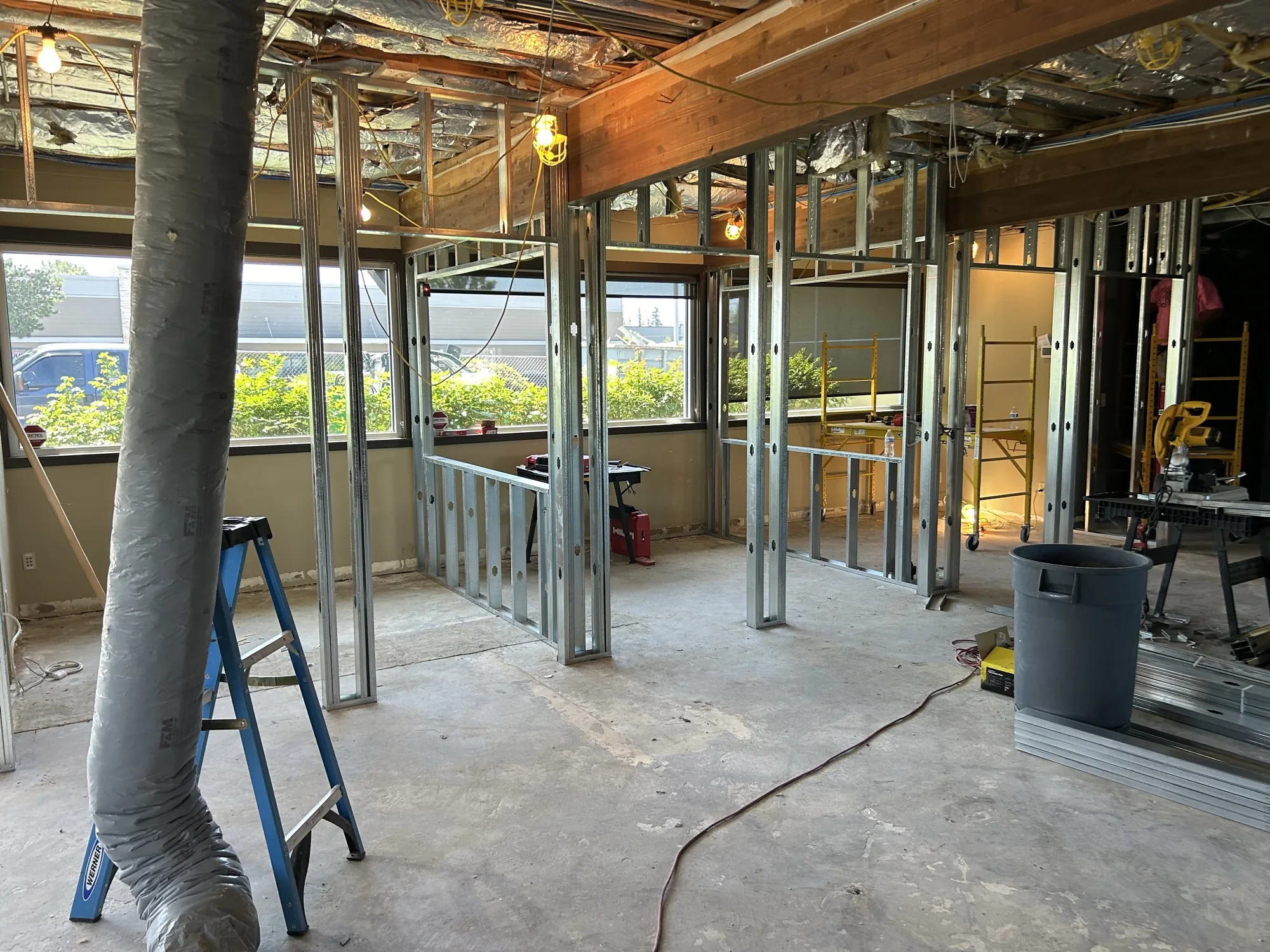
Core Trade
Framing & structural
Stud walls, headers, beams, posts, joists, sister joist repair, basement build outs, and addition framing under one WA general contractor license.
Explore service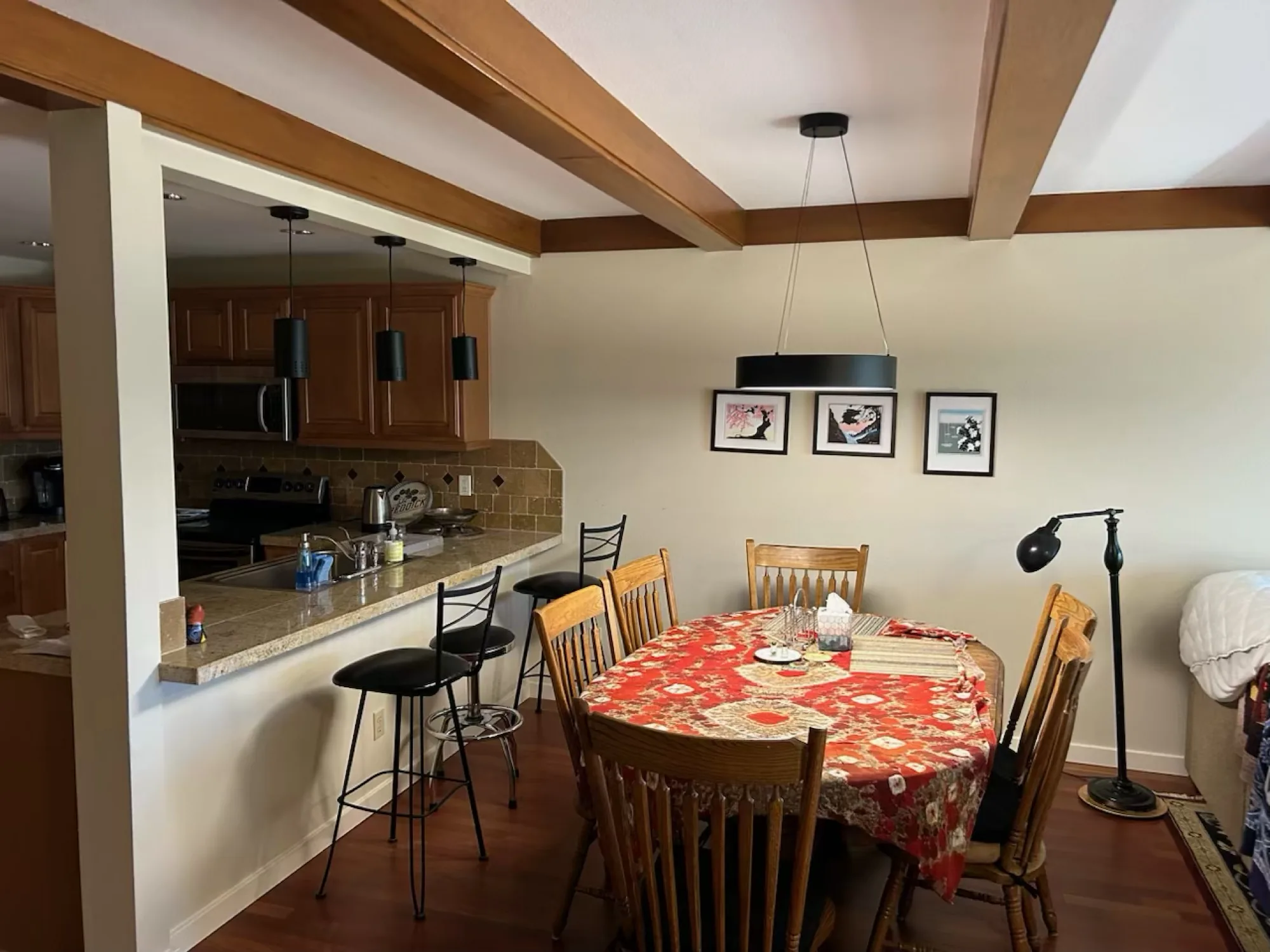
Finish First
Remodels & custom
Kitchens, baths, basement conversions, finish carpentry, custom built ins, door and window install, and custom pipe rail iron work.
Explore service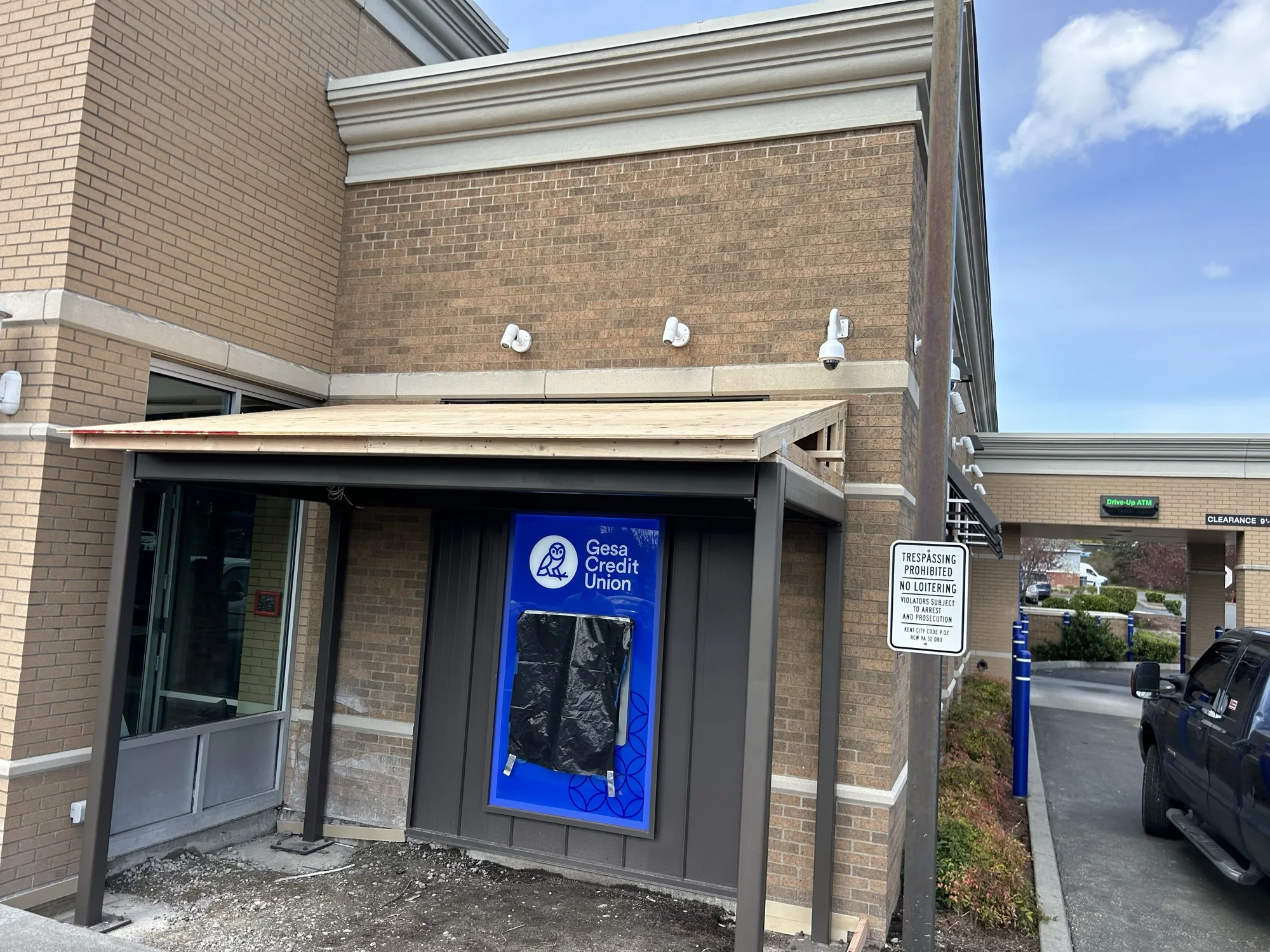
Storefront Capable
Commercial
Tenant improvements, storefront install, commercial framing, demising walls, ADA compliance, and light commercial remodel under one WA general contractor license.
Explore serviceDecks & outdoor — talk first
Walk the deck with us before the next winter rolls in.
Photos of the ledger, the rim, and the post bases texted to the line above help. Site walk scheduled within the week. Written itemized quote, three material options priced, in your inbox within two business days.
Direct line
(425) 835-2728Mon to Fri · 8am to 5pm · Sat by appointment. Active emergencies get a same-day callback.
Or send through the intake form